Showing posts with label Health Tips. Show all posts

Tuesday, December 27, 2022

Sleeping Tips: 6 steps to help you sleep better

Many factors can interfere with a good night's sleep — from work stress and family responsibilities to illnesses. It's no wonder that quality sleep is sometimes elusive.

Sleeping Tips

You might not be able to control the factors that interfere with your sleep. However, you can adopt habits that encourage better sleep. 

Start with these simple tips...

1. Stick to a sleep schedule

  • Set aside no more than eight hours for sleep. The recommended amount of sleep for a healthy adult is at least seven hours. Most people don't need more than eight hours in bed to be well rested. Go to bed and get up at the same time every day, including weekends. Being consistent reinforces your body's sleep-wake cycle.
  • If you don't fall asleep within about 20 minutes of going to bed, leave your bedroom and do something relaxing. Read or listen to soothing music. Go back to bed when you're tired. Repeat as needed, but continue to maintain your sleep schedule and wake-up time.


2. Pay attention to what you eat and drink

  • Don't go to bed hungry or stuffed. In particular, avoid heavy or large meals within a couple of hours of bedtime. Discomfort might keep you up.
  • Nicotine, caffeine and alcohol deserve caution, too. The stimulating effects of nicotine and caffeine take hours to wear off and can interfere with sleep. And even though alcohol might make you feel sleepy at first, it can disrupt sleep later in the night.


3. Create a restful environment

  • Keep your room cool, dark and quiet. Exposure to light in the evenings might make it more challenging to fall asleep. Avoid prolonged use of light-emitting screens just before bedtime. Consider using room-darkening shades, earplugs, a fan or other devices to create an environment that suits your needs.
  • Doing calming activities before bedtime, such as taking a bath or using relaxation techniques, might promote better sleep.


4. Limit daytime naps

  • Long daytime naps can interfere with nighttime sleep. Limit naps to no more than one hour and avoid napping late in the day.
  • However, if you work nights, you might need to nap late in the day before work to help make up your sleep debt.


5. Include physical activity in your daily routine

  • Regular physical activity can promote better sleep. However, avoid being active too close to bedtime.
  • Spending time outside every day might be helpful, too.


6. Manage worries

  • Try to resolve your worries or concerns before bedtime. Jot down what's on your mind and then set it aside for tomorrow.
  • Stress management might help. Start with the basics, such as getting organized, setting priorities and delegating tasks. Meditation also can ease anxiety.

Thursday, October 26, 2017

10 most nutritious foods in the world

It's often said that 'You are what you eat'. Thus it's no secret that eating healthy is the most important aspect of staying healthy.

top 120.jpg 

These great food items which are extremely nutritious food, rich in various Vitamins, Proteins, Minerals and laced with other positive properties are often referred to as superfood or powerhouse food.

Some of these food items not in any order are mentioned below:

 1. Lemon

Image result for lemon
  • Lemons are an excellent source of vitamin C. Lemons are known and used for its antioxidant and antibiotic properties. They also have several other minerals and vitamins such as potassium and vitamin B6.


2. Avocado:

Image result for Avocado
  • Avocado will mostly be present in all lists detailing superfood or powerhouse food because of its high nutritional value. Avocado are rich in vitamins A, E, K, B and C, they also supply ample fibre and protein. Add to that its antioxidant property too.


3. Broccoli:

Image result for Broccoli
  • Broccolis as one of the healthiest food item because of it's high in nutrients such as vitamin C and K, iron, potassium and fibre.


4. Beans:

Related image
  • Beans are a great source for protein and fibre. Beans are also known for their antioxidant properties and omega-3 polyunsaturated fatty acids.


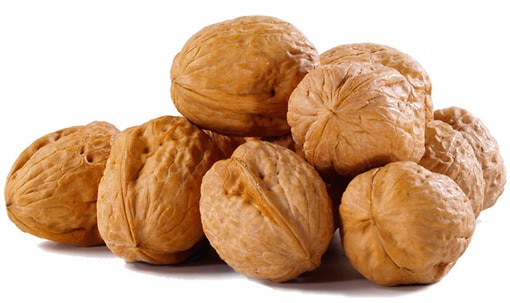
5. Walnut:

Image result for Walnut
  • Walnuts are rich in the rare omega 3 fatty acid which makes is that much more precious. They are also loaded with protein and fibre. They are also loaded with protein and fibre.


6. Spinach:

Related image
  • Spinach is rich in vitamins, minerals, phytonutrients and much more. Consuming spinach can supply the body with required amount of vitamin K, A, B2, B6, E, C and E along with magnesium, iron, copper, potassium and phosphorus.


7. Garlic:

Image result for garlic
  • Garlic is rich in vitamins C, B1, and B6. Garlic is also known and used worldwide for its medicinal properties. It also supplies the body with the required copper, manganese, selenium, antioxidants and sulphur. 


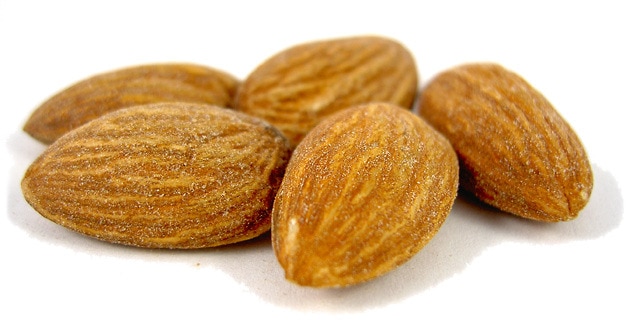
8. Almond:

Related image
  • Almonds are high on antioxidants. Loaded with vitamin E and B2, manganese, phosphorus and fibre.


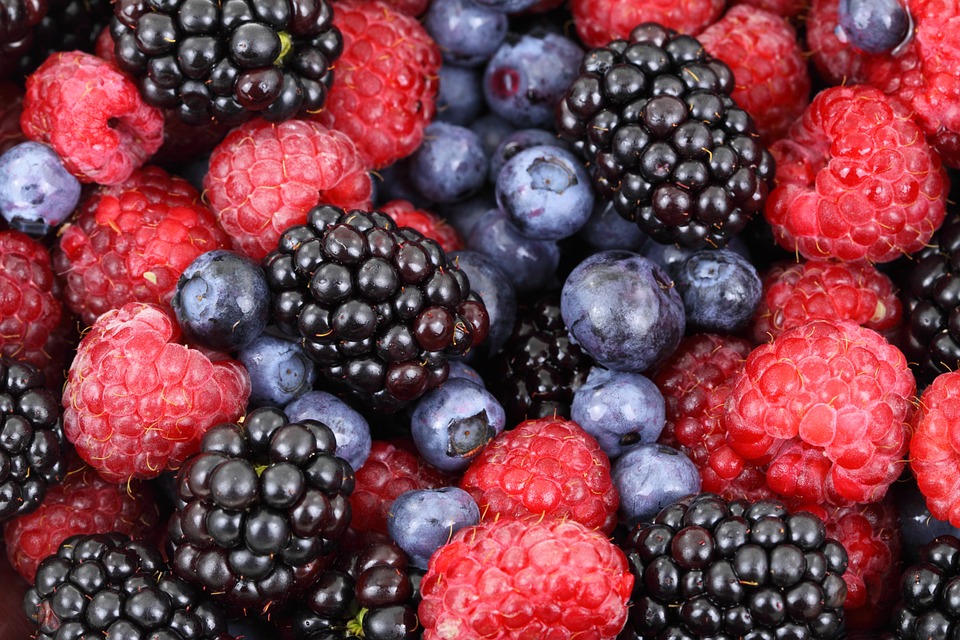
9. Berries:

Related image
  • Berries are rich in vitamin C, K, E and A. Single serving of berries each day can help meet the body’s requirement of manganese, magnesium and potassium. Both blue and black berries score high on their nutritional value charts.


10. Lentils:

lentils.jpg
  • Lentils are rich in protein and fibres. They also supply the body with other nutrients such as phosphorus, potassium, magnesium and more. Lentils are dense food item that are protein-rich hence are preferred especially by vegetarians and vegans.


Monday, July 31, 2017

How Nutritious is a One whole egg is

Eggs are among the few foods that I would classify as “superfoods.” They are loaded with nutrients, some of which are rare in the modern diet.


Eggs are among the most nutritious foods on the planet. A whole egg contains all the nutrients required to turn a single cell into a baby chicken.

A single large boiled egg contains:
  • Vitamin A: 6% of the RDA.
  • Folate: 5% of the RDA.
  • Vitamin B5: 7% of the RDA.
  • Vitamin B12: 9% of the RDA.
  • Vitamin B2: 15% of the RDA.
  • Phosphorus: 9% of the RDA.
  • Selenium: 22% of the RDA.
Eggs also contain decent amounts of Vitamin D, Vitamin E, Vitamin K, Vitamin B6, Calcium and Zinc. This is coming with 77 calories, 6 grams of protein and 5 grams of healthy fats. Eggs also contain various other trace nutrients that are important for health.

Really… Eggs are pretty much the perfect food, they contain a little bit of almost every nutrient we need.

It is true that eggs are high in cholesterol.

In fact, a single egg contains 212 mg, which is over half of the recommended daily intake of 300 mg.

Don't forget to Hit the ♥ & Follow Button for more Updates.