Showing posts with label Health News. Show all posts

Saturday, January 6, 2024

Corn Starch vs Corn Flour

Corn Starch vs Corn Flour

A closer look between corn starch and corn flour.

Corn Starch vs Corn Flour


What’s the difference and how to use them.

Corn starch

  • Corn starch is made from the starchy endosperm of corn kernels. It is processed by removing the protein and fiber from the corn kernel. It is white and has the consistency of fine powder.

Corn flour

  • Corn flour, also known as maize flour, is made by drying and grinding whole corn kernels. It has a somewhat golden tint and can be thick or thin in texture.

What are the nutritional profiles of corn starch vs corn flour?

Since corn flour is less refined, it contains more protein, fiber, starch, vitamins, and minerals than corn starch, which is mainly made up of carbs.


What are differences in flavor, consistency and uses of corn starch vs corn flour?

1. Flavor

  • Corn starch has a neutral flavor, which can be seen as an advantage because it is often used as a thickening agent without interfering with the flavor of other foods.
  • Corn flour has a sweet, nutty, grassy flavor similar to corn.

2. Consistency

  • Corn starch is considerably finer in texture than corn flour and has the consistency of baking powder.
  • Corn flour has a texture similar to that of whole wheat flour.

3. Uses

  • Corn starch is used as a thickening agent and used to create a smooth gel-like consistency in pie fillings and puddings. It is also used to thicken soups and sauces. To prevent lumps, it should be mixed with a cool liquid before being added to a hot dish.
  • Corn flour works best as a less gritty substitute for cornmeal. It is often used for baking and deep-frying in doughs and batters.

Can I use corn flour in place of corn starch and vice versa?

  • Corn starch and corn flour cannot be used interchangeably in recipes due to their different textures and nutritional values.


  • Corn starch cannot be used in baking in the same way as corn flour because it is mostly starch and contains no protein or fat. Corn starch can be used to help lend a crispy finish to fried or breaded foods.


  • Corn flour can be used in addition to or instead of wheat flour to make bread, pancakes, biscuits, waffles, and pastries. However, since corn flour is free of gluten, the final product may be dense and more crumbly.


Wednesday, January 25, 2023

9 fast acting home remedies to get rid of Dark Circles

 9 fast acting home remedies to get rid of Dark Circles

Cucumber the cool; or I’ll rather say, that cucumber is the most common homemade remedies that people use for dark circles. Sometimes it works; sometimes it doesn’t. So; how to get rid of dark circles under your eyes fast?

Home Remedies for Dark Circles

There is no such thing as the magic lamp. Where you just rub and your wishes come true right before your eyes and even with dark circles too; they will not disappear in one day; like its magic or something!

Here are some of the home remedies for dark circles under the eyes that work fast:

 1. Lemon juice with rose water

  • Take a few drops of lime or lemon juice and mix it with 3-4 drops of rose water.
  • Dampen a cotton ball and put it under your dark circles for 15 minutes.
  • Remove the cotton balls and wash your eyes with cold water and pad dry.

Side noteYou need to do this method every evening for a week!


2. Slice Cucumber

This is so simple. Just cut two slices of cucumber and place them on your eyes; while you relax in your bed for 15 minutes.

Side note: Every day for two weeks!


3. Cucumber face mask

  •  Cut a cucumber into half and grind it until a paste is formed.
  • Add 1/2 teaspoon of baking soda and mix it well.
  • Apply this to your face or just your under-eye dark circles

Side note: Every day for a week.

Cucumber helps in lightening your skin tone; has a soothing and cooling effect on the skin and almost everyone knows that it is one of the best natural ingredients; to remove dark circles under eye treatment. Having a cucumber in your diet will help the process even better.


4. Tomato

Another awesome home remedy for dark circles under the eyes. This is also as simple as a sliced cucumber. Just cut two slices of tomatoes and massage it gently around and under your eyes for a few minutes and let it dry.

Wash it off with cold water after 20 minutes. Tomatoes also help in reducing skin pigmentation and blemishes.

Side note: Every day for two weeks! (duh! that’s so much work to do! I’ll rather go for a plant-based product)


5. Rosewater

Rosewater has been used in so many skincare regimens because of its fantastic outcome! The sweet refreshing smell is just mesmerizing.

Just take a cotton ball and dampen it with rose water. Place the cotton balls under your eyes for 20 minutes. After this, you will feel so fresh and relax and your dark circles too will be reduced.


6. Orange juice with glycerin

  • Take a teaspoon of glycerin and add 4-5 drops of orange juice in it.
  • Mix well and apply on the dark circles’ area.
  • Leave for 15 minutes and warm off with lukewarm water.

Side noteKeep doing this until your dark circles disappear.


7. Sandalwood face pack

  • Take sandalwood powder and make a paste by adding rose water.
  • Apply this paste as a face pack to your whole face and let it dry.
  • When the face pack is dry; wash it off with cold water.

Side noteOnce a week.             


8. Cucumber Ice-Cubes with Lemon

Another cool method on how to get rid of dark circles under eyes fast.

  • Take one small cucumber and grind it. Use the cucumber juice and kept in a bowl.
  • Now take a lemon and cut it into halve. Squeeze the lemon in the cucumber juice
  • Mixed well. Take the ice cube tray from your refrigerator and pour the liquid on the tray.
  • Refrigerate until the liquid turn into hard ice cubes.
  • Pop-out the ice cube and rub it, in the affected area for 3-5 minutes and dispose of.
  • Rinse your face with lukewarm water and pad dry.

Side noteDo this 2-3 times a day for better results.


9. Grated potato with honey [my favorite]

From all the home remedies; this is my FAVOURITE yet; I kept it on the last spot; because I have a tendency to save the BEST FOR LAST. This remedy is true to it heading; that is, ‘how to get rid of dark circles under eyes fast’. Why? because it takes only 3 days to get rid of your dark circles using this method.

  • Take a potato and grate it finely.
  • To the grated potato, add 1 tablespoon of honey and put this in a jar.
  • For 3 consecutive days, apply this to your dark circles and leave for 15-20 minutes.
  • Wash it off with water.

Side noteOnly 3 days! yeah!


Stay Gorgeous!

Sunday, January 1, 2023

10 Reasons why you should use Amla for Hair

When it comes to hair problems, nothing can treat your hair better than Amla or Indian Gooseberry.

Haircare Tips | Benefits of Amla | Indian Gooseberry

Amla is blessed with a plethora of natural components like Vitamin C, minerals, fatty acids, antioxidants, etc. It is a powerful fruit for both the hair and skin. Amla can be used in a number of ways to treat hair fall, check out benefits of Indian gooseberry for hair and you can also for strong, silky hair.

Tuesday, December 27, 2022

Sleeping Tips: 6 steps to help you sleep better

Many factors can interfere with a good night's sleep — from work stress and family responsibilities to illnesses. It's no wonder that quality sleep is sometimes elusive.

Sleeping Tips

You might not be able to control the factors that interfere with your sleep. However, you can adopt habits that encourage better sleep. 

Start with these simple tips...

1. Stick to a sleep schedule

  • Set aside no more than eight hours for sleep. The recommended amount of sleep for a healthy adult is at least seven hours. Most people don't need more than eight hours in bed to be well rested. Go to bed and get up at the same time every day, including weekends. Being consistent reinforces your body's sleep-wake cycle.
  • If you don't fall asleep within about 20 minutes of going to bed, leave your bedroom and do something relaxing. Read or listen to soothing music. Go back to bed when you're tired. Repeat as needed, but continue to maintain your sleep schedule and wake-up time.


2. Pay attention to what you eat and drink

  • Don't go to bed hungry or stuffed. In particular, avoid heavy or large meals within a couple of hours of bedtime. Discomfort might keep you up.
  • Nicotine, caffeine and alcohol deserve caution, too. The stimulating effects of nicotine and caffeine take hours to wear off and can interfere with sleep. And even though alcohol might make you feel sleepy at first, it can disrupt sleep later in the night.


3. Create a restful environment

  • Keep your room cool, dark and quiet. Exposure to light in the evenings might make it more challenging to fall asleep. Avoid prolonged use of light-emitting screens just before bedtime. Consider using room-darkening shades, earplugs, a fan or other devices to create an environment that suits your needs.
  • Doing calming activities before bedtime, such as taking a bath or using relaxation techniques, might promote better sleep.


4. Limit daytime naps

  • Long daytime naps can interfere with nighttime sleep. Limit naps to no more than one hour and avoid napping late in the day.
  • However, if you work nights, you might need to nap late in the day before work to help make up your sleep debt.


5. Include physical activity in your daily routine

  • Regular physical activity can promote better sleep. However, avoid being active too close to bedtime.
  • Spending time outside every day might be helpful, too.


6. Manage worries

  • Try to resolve your worries or concerns before bedtime. Jot down what's on your mind and then set it aside for tomorrow.
  • Stress management might help. Start with the basics, such as getting organized, setting priorities and delegating tasks. Meditation also can ease anxiety.

Thursday, July 8, 2021

What happens to your Body and Brain when you stop eating Sugar?

What happens to your Body and Brain when you stop eating Sugar?

Sugar is found in lots of foods but actually isn't good for us. It's fine to treat yourself in moderation, but have you ever wondered what would happen to your body if you stopped eating sugar altogether?


Health News :Studies have shown that when someone stops eating sugar there are similar effects as when people get off drugs. You may experience exhaustion, headaches, brain fog and irritability.  Some people even have gastrointestinal distress.


Your mood can change drastically if your body is hooked on sugar, and suddenly you're going without. 


Sugar causes inflammation in the skin, so the less you eat, the clearer your complexion may become. Eliminating sugar from your diet can improve the overall quality of your sleep in the long run. You lose weight from cutting sugar out of your diet, but there are other variables that go into this, too. 


When you reduce or eliminate sugar, storage of fat will decline slowly, and you will lose some weight. However, this takes time, with the effect typically beginning at one to two weeks.

Tuesday, March 30, 2021

What are the Effects of Caffeine on Human body?

Effects of Caffeine on Human body

Caffeine is a natural stimulant most commonly found in tea, coffee and cacao plants.

Effects of Caffeine on Human body

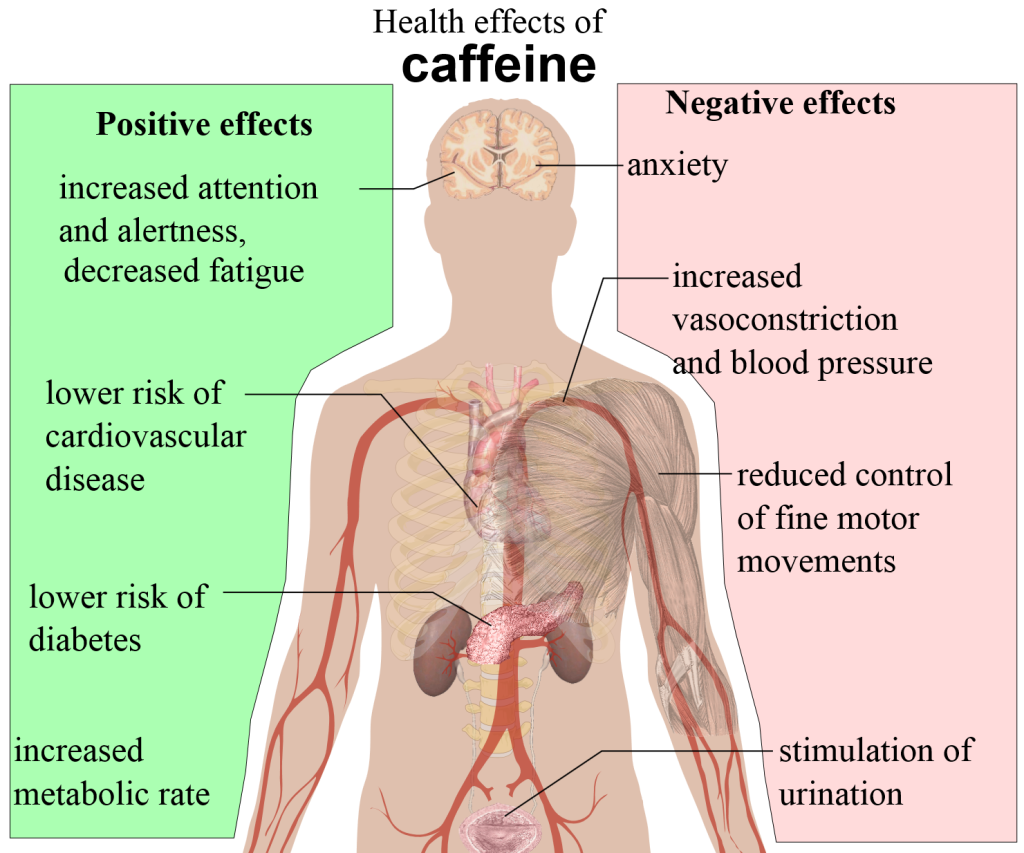
Health News : Many of us rely on a morning cup of coffee or a jolt of caffeine in the afternoon to help us get through the day. But caffeine does so much more than just keeping you awake. It’s a central nervous system stimulant that affects your body in numerous ways.

Caffeine provides no nutritional value on its own. It’s tasteless, so you won’t necessarily know if it’s in your food either. Even some medications may contain caffeine without your knowledge.

At a minimum, you may feel more energetic, but over time, too much caffeine may cause withdrawal symptoms. Caffeine acts as a central nervous system stimulant. When it reaches your brain, the most noticeable effect is alertness. Studies have also found that people who drink coffee regularly have a lower risk of developing Alzheimer’s and dementia, and cut suicide risk by 45%.

These benefits are limited to people who drink high-octane coffee, not decaf. Extra caffeine doesn’t get stored in your body either. It’s processed in the liver and exits through your urine. Caffeine can make your blood pressure go up for a short time. If you consume too much, caffeine may cause also your muscles to twitch.

An overdose of caffeine may cause rapid or irregular heartbeat and breathing trouble. In rare cases, caffeine overdose can result in death due to convulsions or irregular heartbeat.


How it Works

Once consumed, caffeine is quickly absorbed from the gut into the bloodstream. From there, it travels to the liver and is broken down into compounds that can affect the function of various organs.

That said, caffeine’s main effect is on the brain. It functions by blocking the effects of adenosine, which is a neurotransmitter that relaxes the brain and makes you feel tired.

Normally, adenosine levels build up over the day, making you increasingly more tired and causing you to want to go to sleep. Caffeine helps you stay awake by connecting to adenosine receptors in the brain without activating them. This blocks the effects of adenosine, leading to reduced tiredness.

It may also increase blood adrenaline levels and increase brain activity of the neurotransmitters dopamine and norepinephrine. This combination further stimulates the brain and promotes a state of arousal, alertness, and focus. Because it affects your brain, caffeine is often referred to as a psychoactive drug.

Additionally, caffeine tends to exert its effects quickly. For instance, the amount found in one cup of coffee can take as little as 20 minutes to reach the bloodstream and about 1 hour to reach full effectiveness.


Thursday, January 2, 2020

2019’s biggest health stories in India

2019’s biggest health stories

From a continued decline in infant and maternal mortality to inadequate funding for healthcare, from poor nutrition to an acute encephalitis syndrome outbreak, and from success in malaria prevention to below-par performance on leprosy control and tuberculosis elimination.

2019 Biggest Health Stories


Here’s a look at 2019’s biggest health stories:

Decrease in maternal mortality, infant mortality

  • India’s infant mortality rate–deaths per 1,000 live births–also fell from 42 in 2012 to 33 in 2017. However, India is still a long way from the Sustainable Development Goal for MMR: a target of 70 deaths per 100,000 live births by 2030. Three Indian states have already achieved this–Maharashtra, Tamil Nadu and Kerala.

Health budget increases, Ayushman Bharat completes a year

  • The Centre has been increasing its allocation to the health ministry, and this year’s budget of Rs 62,659 crore–2.25% of total expenditure–was the highest till date. Also By December 20, 2019, it had covered more than 6.9 million hospitalisations and issued more than 69.4 million e-cards.

Litchis, malnutrition, or heat and humidity?

  • In one of the worst outbreaks of acute encephalitis syndrome (AES) in the state since 2014, 162 children died in Bihar (till July 2, 2019). There are several agents causing AES such as bacteria, fungi and viruses. The most common causes are Japanese encephalitis, Scrub typhus, dengue, measles and even Zika virus.

Malnutrition rampant in children, adolescents

  • One in three (35%) children younger than five years were stunted (low height for age) and underweight, one in six (17%) were wasted (low weight for height), and two in five (41%) were anemic, the first of its kind that gave nutritional status of children aged 5-14 years.

Does air pollution kill or not?

  • One in eight deaths in India was due to air pollution. In 2017, 1.24 million had died due to air pollution, and Indians could live 1.7 years longer if they breathed clean air.

India gets a National Medical Commission Bill

  • This is crucial because India’s current density of healthcare workforce–including doctors, nurses, midwives–per 10,000 population is 20.6 in 2016, compared to 22.8 recommended by the WHO. India would need 250,000 health workers to meet this requirement.

Success in malaria continues

  • India is among the 11 most malaria-affected countries in the world, accounting for 70% of cases globally. In 2018, India registered 2.6 million fewer malaria cases than in 2017. This was 51% fewer than in 2017 and 60% fewer than in 2016. Currently accounting for 3% of global malaria cases, India aims to eliminate the disease by 2030.

Stay Updated Latest News

Thursday, October 26, 2017

10 most nutritious foods in the world

It's often said that 'You are what you eat'. Thus it's no secret that eating healthy is the most important aspect of staying healthy.

top 120.jpg 

These great food items which are extremely nutritious food, rich in various Vitamins, Proteins, Minerals and laced with other positive properties are often referred to as superfood or powerhouse food.

Some of these food items not in any order are mentioned below:

 1. Lemon

Image result for lemon
  • Lemons are an excellent source of vitamin C. Lemons are known and used for its antioxidant and antibiotic properties. They also have several other minerals and vitamins such as potassium and vitamin B6.


2. Avocado:

Image result for Avocado
  • Avocado will mostly be present in all lists detailing superfood or powerhouse food because of its high nutritional value. Avocado are rich in vitamins A, E, K, B and C, they also supply ample fibre and protein. Add to that its antioxidant property too.


3. Broccoli:

Image result for Broccoli
  • Broccolis as one of the healthiest food item because of it's high in nutrients such as vitamin C and K, iron, potassium and fibre.


4. Beans:

Related image
  • Beans are a great source for protein and fibre. Beans are also known for their antioxidant properties and omega-3 polyunsaturated fatty acids.


5. Walnut:

Image result for Walnut
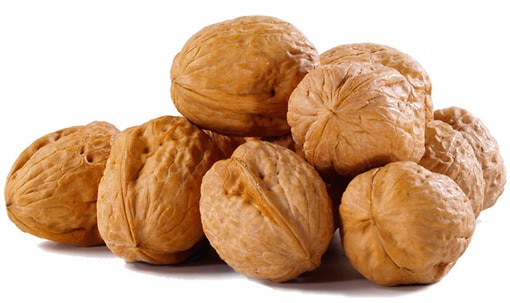
  • Walnuts are rich in the rare omega 3 fatty acid which makes is that much more precious. They are also loaded with protein and fibre. They are also loaded with protein and fibre.


6. Spinach:

Related image
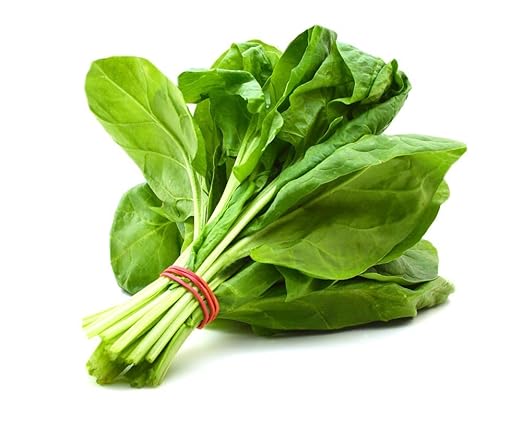
  • Spinach is rich in vitamins, minerals, phytonutrients and much more. Consuming spinach can supply the body with required amount of vitamin K, A, B2, B6, E, C and E along with magnesium, iron, copper, potassium and phosphorus.


7. Garlic:

Image result for garlic
  • Garlic is rich in vitamins C, B1, and B6. Garlic is also known and used worldwide for its medicinal properties. It also supplies the body with the required copper, manganese, selenium, antioxidants and sulphur. 


8. Almond:

Related image
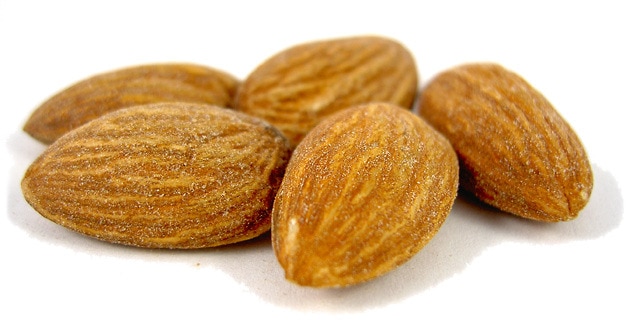
  • Almonds are high on antioxidants. Loaded with vitamin E and B2, manganese, phosphorus and fibre.


9. Berries:

Related image
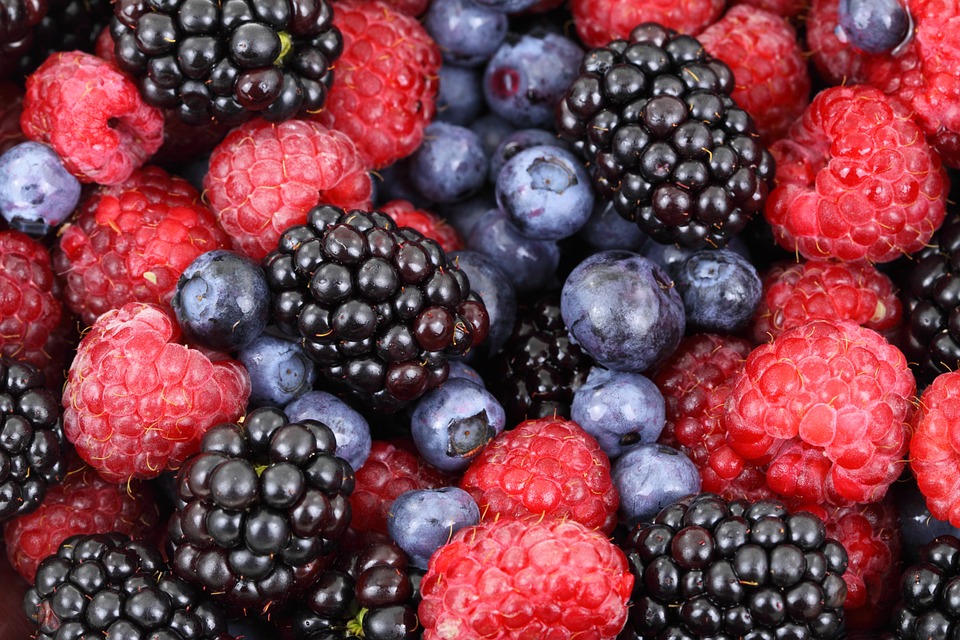
  • Berries are rich in vitamin C, K, E and A. Single serving of berries each day can help meet the body’s requirement of manganese, magnesium and potassium. Both blue and black berries score high on their nutritional value charts.


10. Lentils:

lentils.jpg
  • Lentils are rich in protein and fibres. They also supply the body with other nutrients such as phosphorus, potassium, magnesium and more. Lentils are dense food item that are protein-rich hence are preferred especially by vegetarians and vegans.